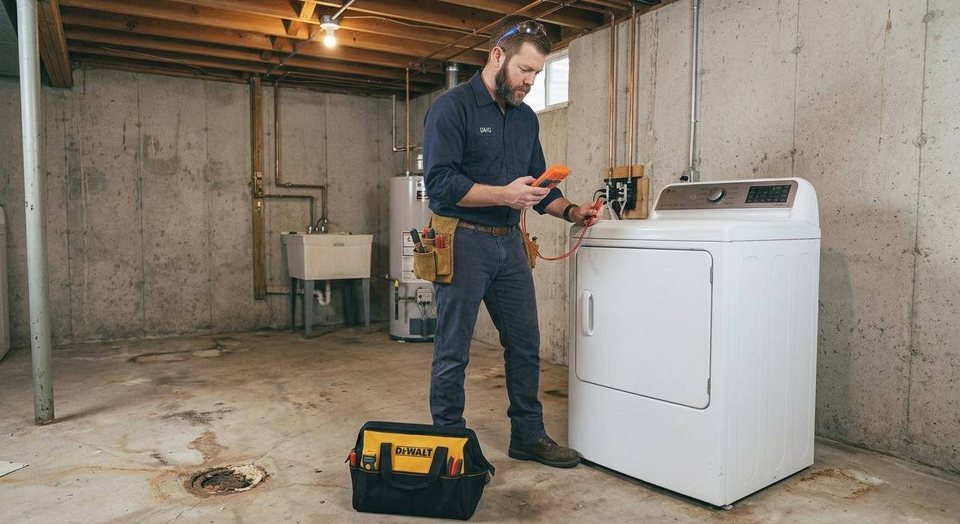
Lynden dryers clock more hours than any on the route — and hours, not years, are what wear a dryer out.
A Lynden dryer's odometer runs fast: work clothes before dawn, school clothes after, towels somewhere between. Duty like that wears rollers, belts and bearings on a schedule the calendar doesn't predict, which is why the Loop grades your machine by condition, not age. A nine-year-old dryer with easy mileage and a four-year-old workhorse can trade places on the tally.
The loads themselves carry the fields home. Barn coats and work denim shed grit that ordinary lint screens only half-catch, and it settles into the airflow path a little every day. The Loop's airflow station reads that buildup directly — and the technician will show you the reading rather than wave at the concept.
Belts stretched by big, wet loads slip first under the heaviest ones. Caught at the slip stage, the fix is quick and the tally gentle.
Grit-fed lint buildup near the element browns before it burns. This is the call to make the day you notice it, not the month after.
Drive parts — belts, rollers, idlers — long before heat parts. High-duty machines benefit from fixing wear early, and the Loop catches it while it's still the cheap kind.
Yes — Lynden windows book across the whole 8:30–5:30 board, and dispatch will respect the hours the farm sets.
Genuinely yes — seasonal rest extends drive-part life. Just run a short cycle now and then so seals and belts don't take a set.
The full dryer repair page covers the machine in depth; the Lynden hub covers the town.
Same machine, other towns:
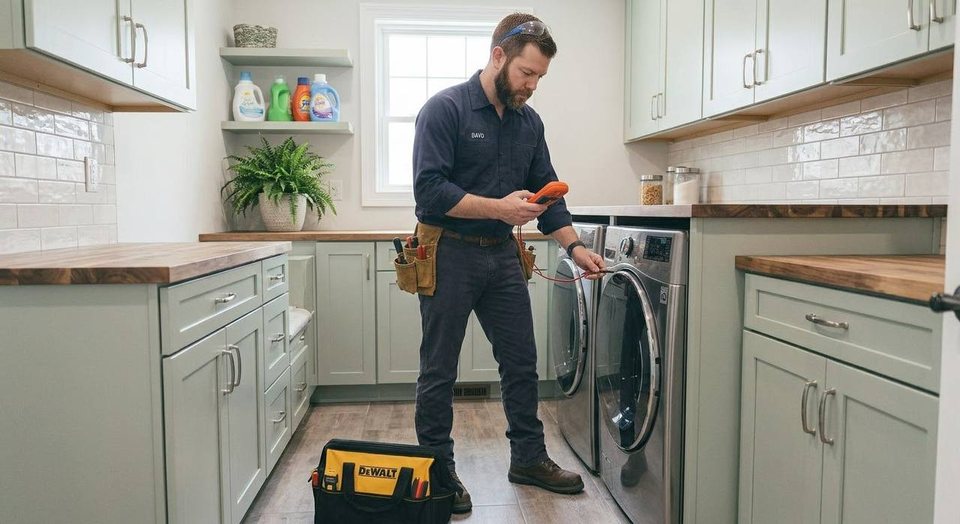

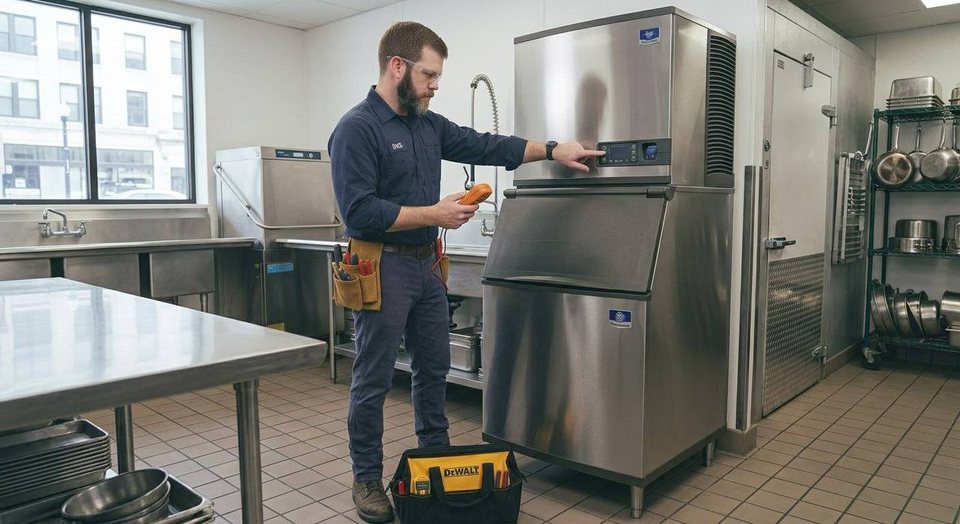
One call or one form. Dispatch answers with an arrival window, the technician walks the circuit of checks, and the tally puts the whole decision on one sheet — $85 flat if you stop there.