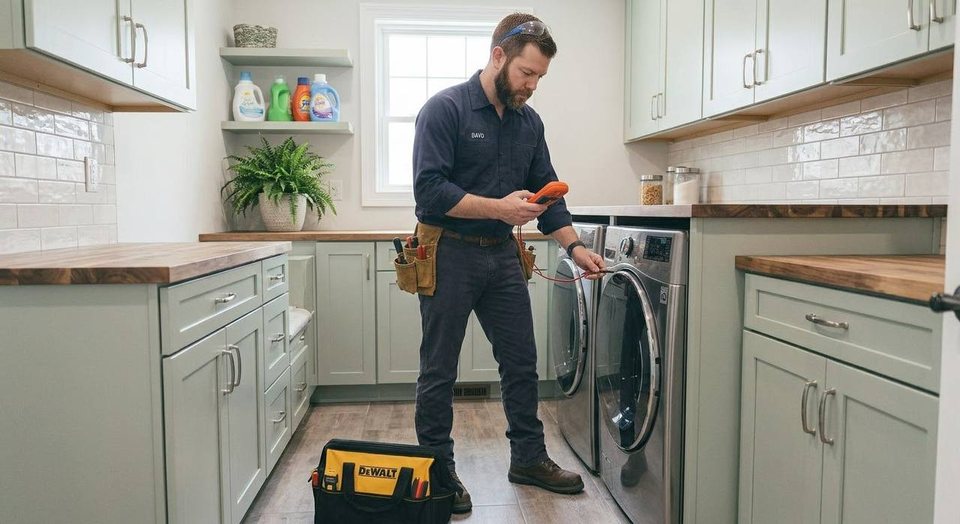
Big households buy big washers, and big washers put real weight on their suspensions — literally.
Lynden runs the largest washers on our route, and capacity has a cost: a king comforter's spin load works suspension rods and bearings like nothing a compact machine ever sees. When an oversize top-loader starts knocking, the Loop checks suspension before drums and bearings before motors — the order that catches the cheap stage of an expensive chain.
Water softeners complicate the picture in a useful way. Softened water cleans well with less detergent than habit pours, and the excess suds a machine chews through daily wear pumps and grow films. If the Loop finds a suds-driven fault, the tally fixes the machine and the technician fixes the dosing — otherwise the same part fails again by fall.
Suspension rods on oversize machines wear at the load points. Replaced early, the drum bearing never learns about it.
Softened-water households often halve their detergent and solve it outright. The Loop rules out a rinse fault first, so the advice isn't a brush-off.
The common wear parts, yes — big platforms share more components with standard ones than the size suggests. Anything special-order shows on the tally with its timeline.
Both happen. If the Loop shows the suspension healthy, the technician demonstrates the loading trick; if not, the tally names the part and the price.
Yes — same board, same fee. A pin in a text helps the technician find the right driveway the first time.
The full washer repair page covers the machine in depth; the Lynden hub covers the town.
Same machine, other towns:
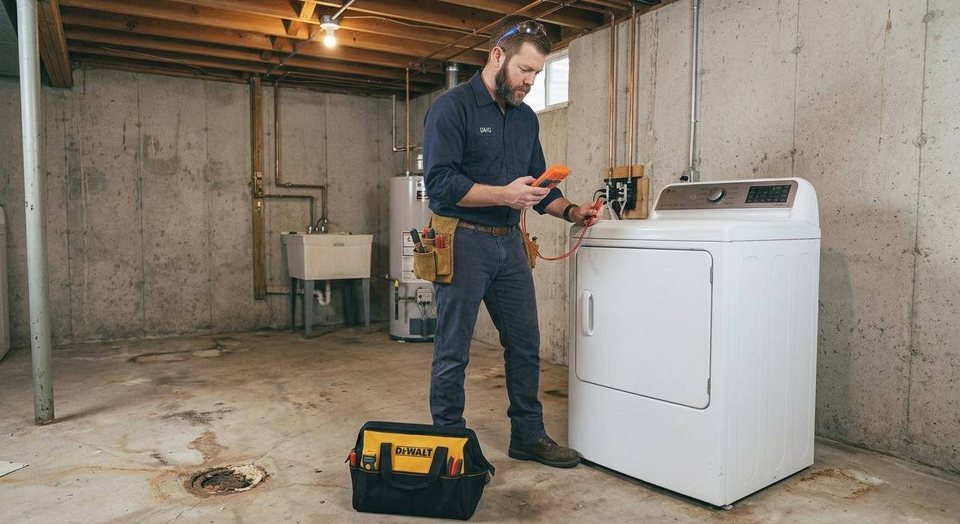
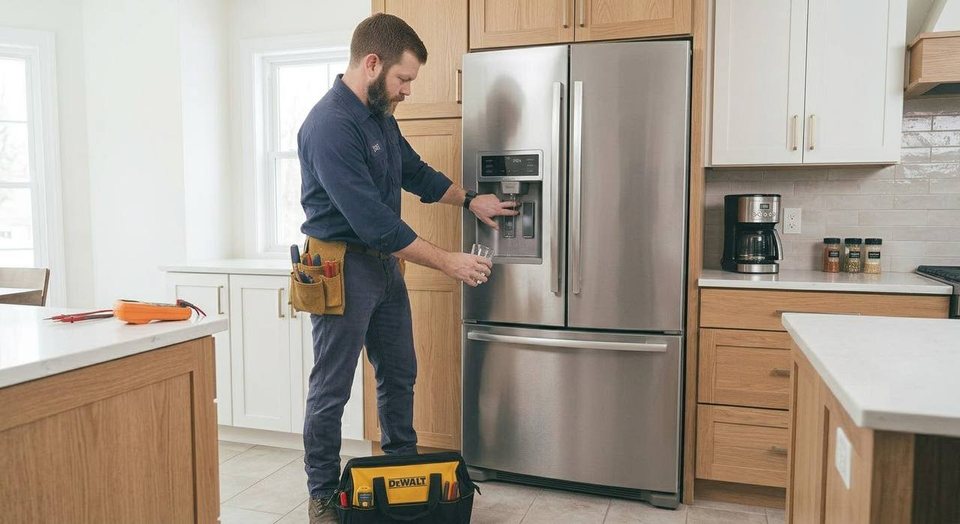

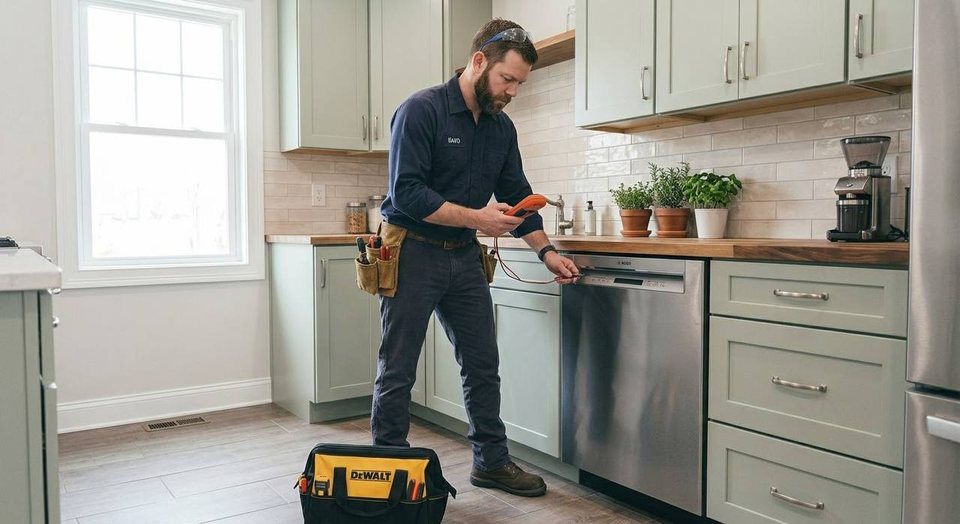
One call or one form. Dispatch answers with an arrival window, the technician walks the circuit of checks, and the tally puts the whole decision on one sheet — $85 flat if you stop there.