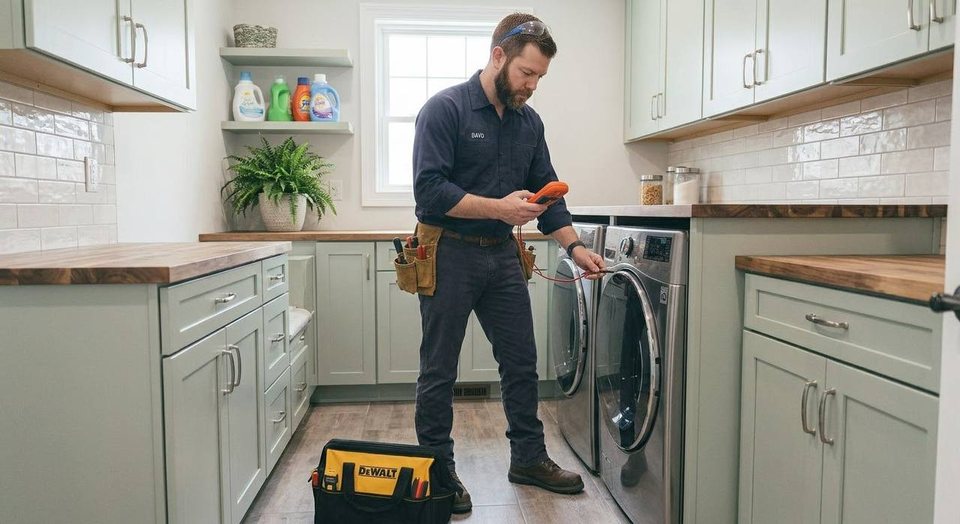
Old-house basements are honest about their slopes — and washers on a slope tell on themselves loudly.
Bellingham basement floors were poured in another era, and level was a looser concept then. A washer on wandering concrete shakes itself into suspension wear years early, then gets blamed for the floor's sins. The Loop levels first, measures second — because a machine that just needs honest feet shouldn't pay for new shocks.
The city's older supply plumbing sends its history to the inlet screens: pipe grit, mineral flakes, the occasional flake of galvanizing. Slow fills and cold-only washes trace back to those screens more often than to the valve behind them. It's a small find that keeps the tally small, which is the kind of finding the Loop exists for.
On old concrete, unbalanced spin escalates fast. Leveling plus worn-part replacement — the Loop tells which share of each your machine needs.
Inlet screens plugged with pipe grit starve the hot side first. Minutes to confirm, minutes to fix on most machines.
Yes. Dispatch can schedule directly with the occupant and send you the tally for approval before any work starts — owner and tenant both stay in the loop.
It can rattle plaster and shelving long before it kills itself. Worth a visit early — the fix is cheaper than the china.
If the folds are torn or past de-sliming, the tally prices a boot swap; if not, the technician shows you the cleaning routine that saves the part.
The full washer repair page covers the machine in depth; the Bellingham hub covers the town.
Same machine, other towns:
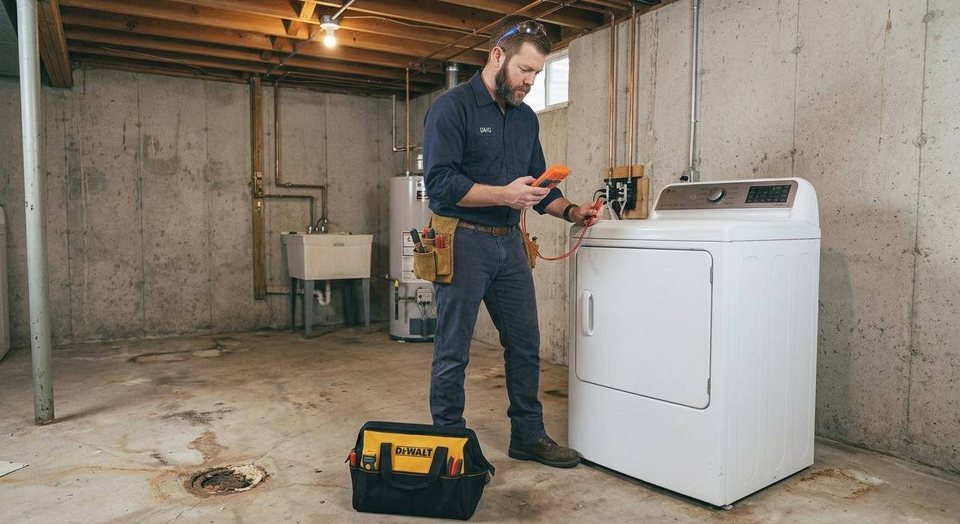
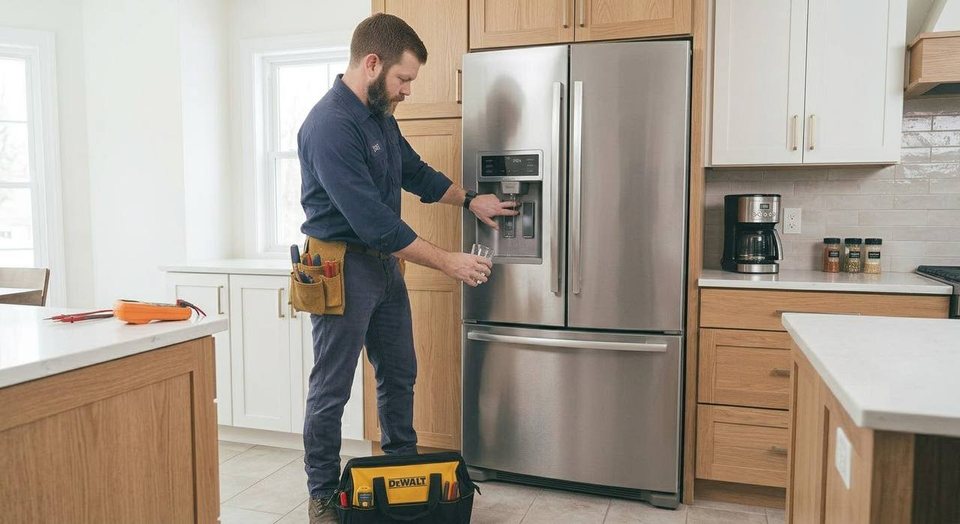
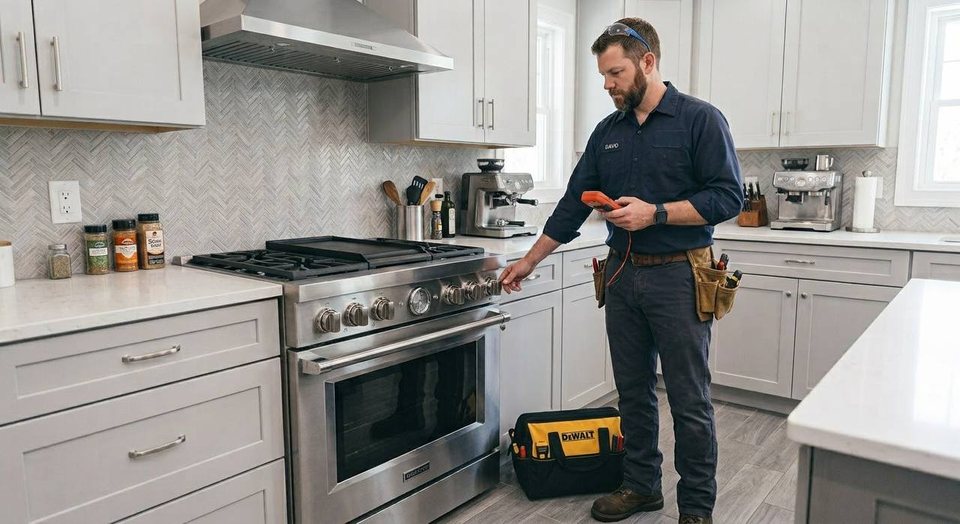
One call or one form. Dispatch answers with an arrival window, the technician walks the circuit of checks, and the tally puts the whole decision on one sheet — $85 flat if you stop there.