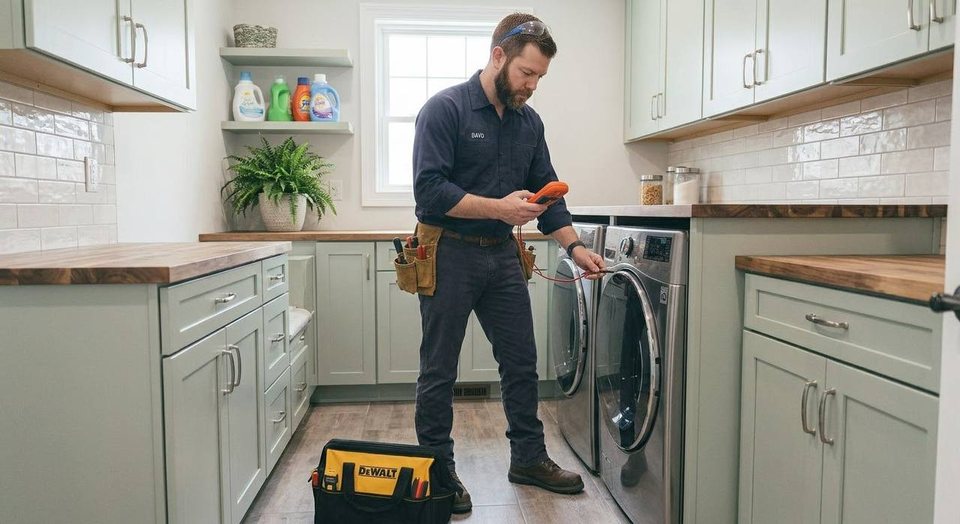
Out here the washer's biggest influence isn't the brand — it's the well feeding it.
A washer on a pressure tank lives with pulsing fills, and a washer on this district's groundwater lives with iron and sediment besides. Screens clog on a schedule, valves wear from grit, and orange staining shows up in whites long before anyone suspects the machine. The Loop's fill stations test pressure, flow and what's arriving in the water — because a tally that replaces a valve without naming the sediment behind it is only half a diagnosis.
The machines themselves skew sturdy — rural households buy for capacity and keep machines long — which makes them excellent repair candidates. Solid platforms with a single worn part are the happiest tallies we write: a named component, a modest figure, and a machine with years left on the same driveway.
Pressure-tank cycling confuses fill sensors on some models. The Loop distinguishes a tank-side rhythm from a machine fault before anything is replaced.
Iron in the fill plus a worn screen or gasket. The fix pairs a machine-side part with honest advice about the water side.
Directly — the Loop tests what reaches the machine, and if the fault sits upstream, the tally stops there and we name the right trade instead of selling you a part.
Usually — those platforms are well supported. Give dispatch the model plate and the van stocks accordingly.
Model plate photo, symptom description, and a pin for the driveway — with those three, the first visit is almost always the only one.
The full washer repair page covers the machine in depth; the Custer & Laurel hub covers the town.
Same machine, other towns:
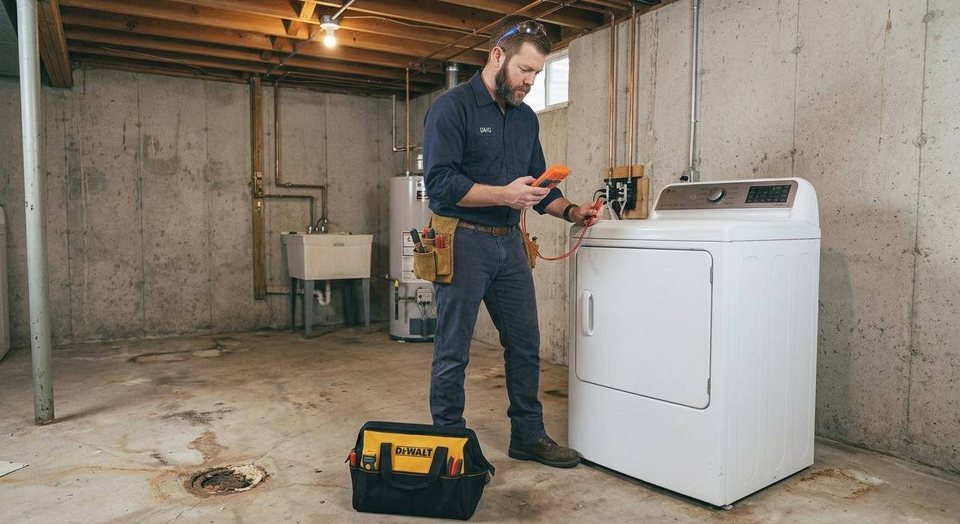
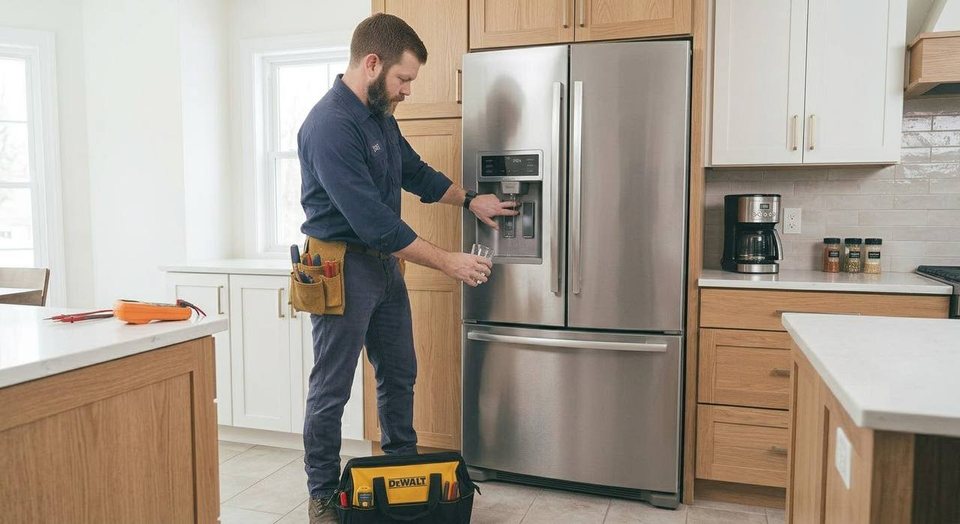

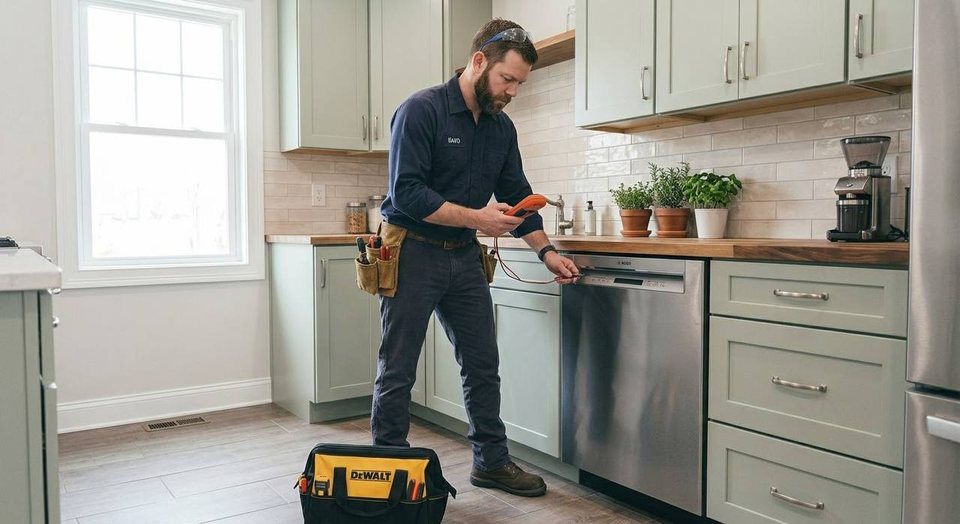
One call or one form. Dispatch answers with an arrival window, the technician walks the circuit of checks, and the tally puts the whole decision on one sheet — $85 flat if you stop there.